
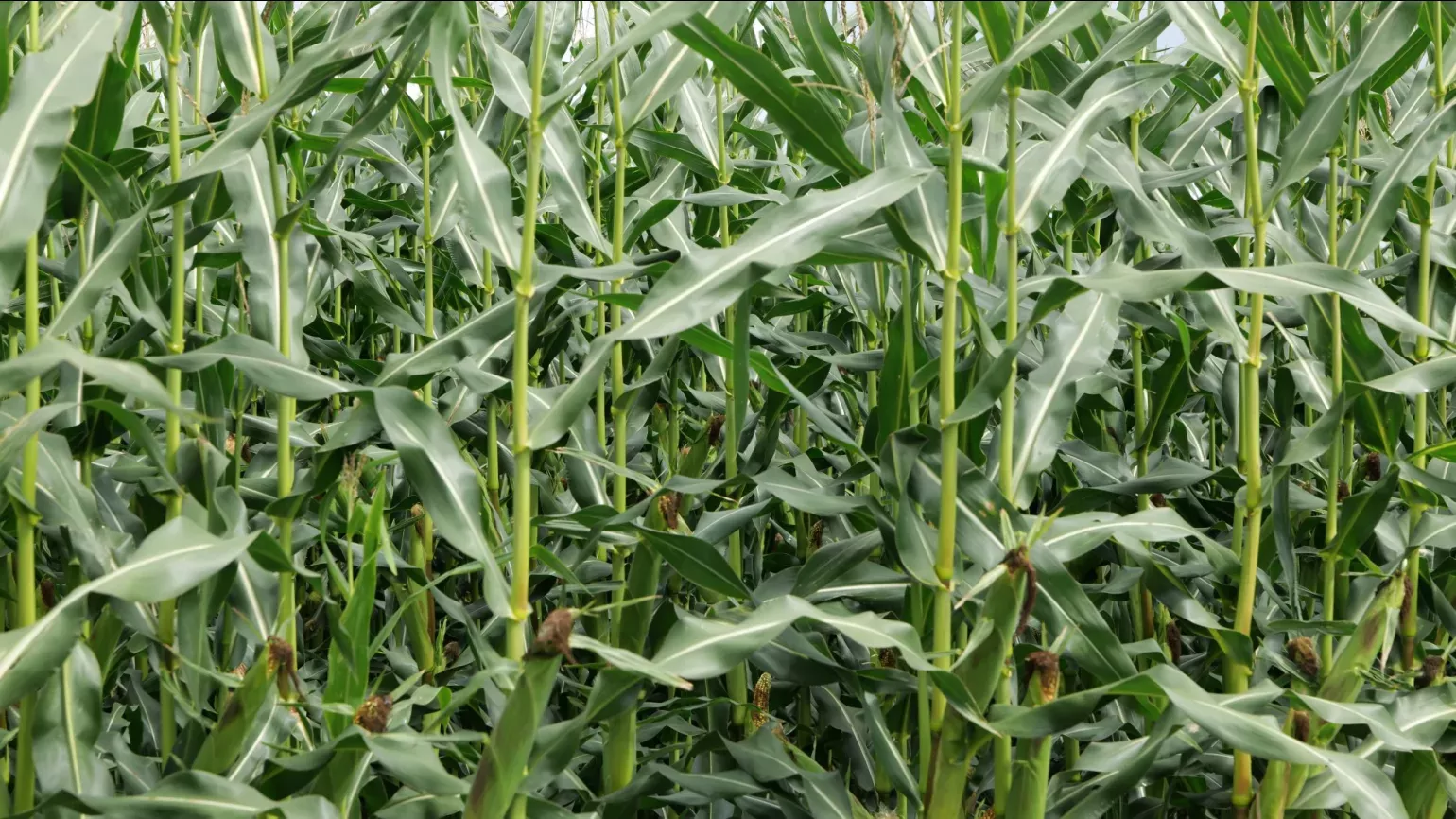
What is Farming? Understanding the Basics of Agriculture
Farming is the foundation of human civilization, providing the essential resources needed for survival. This age-old practice involves cultivating the soil, growing crops, and raising livestock. But what exactly is farming, and why is it so crucial?
The Essence of Farming
At its core, farming is the process of producing food, fiber, and other products by managing natural resources. This includes everything from planting seeds to harvesting crops and raising animals for milk, meat, or wool. Farming is not just a job; it’s a way of life that requires dedication, knowledge, and hard work.
Types of Farming
Farming can be categorized into several types, each serving different purposes:
- Subsistence Farming: This type is primarily for personal consumption, where farmers grow enough food to feed their families.
- Commercial Farming: In contrast, commercial farming is large-scale production aimed at generating profit. It includes the cultivation of cash crops like wheat, corn, and cotton.
- Organic Farming: Focusing on sustainable practices, organic farming avoids synthetic chemicals, promoting healthier crops and livestock.
- Industrial Farming: This involves high-intensity farming with advanced technology and machinery to maximize production efficiency.
Importance of Farming
Farming is vital to the global economy and food security. It supplies raw materials for various industries, supports livelihoods, and contributes to rural development. Without farming, we would not have access to fresh fruits, vegetables, grains, dairy products, or meat.
Challenges in Modern Farming
Despite its importance, farming faces numerous challenges. Climate change, soil degradation, and water scarcity are significant threats. Additionally, the demand for higher yields and sustainable practices puts pressure on farmers to innovate and adapt.
The Future of Farming
The future of farming lies in embracing technology and sustainable practices. Precision agriculture, vertical farming, and the use of drones and AI are revolutionizing the industry. These advancements aim to increase efficiency, reduce environmental impact, and ensure food security for future generations.
Conclusion
Farming is not just about growing food; it’s about nurturing the planet and sustaining life. As we move forward, the role of farming will continue to evolve, but its importance will remain constant.
admin
Very informational